Predictive Machine Learning Pipelines for E-Commerce Demand
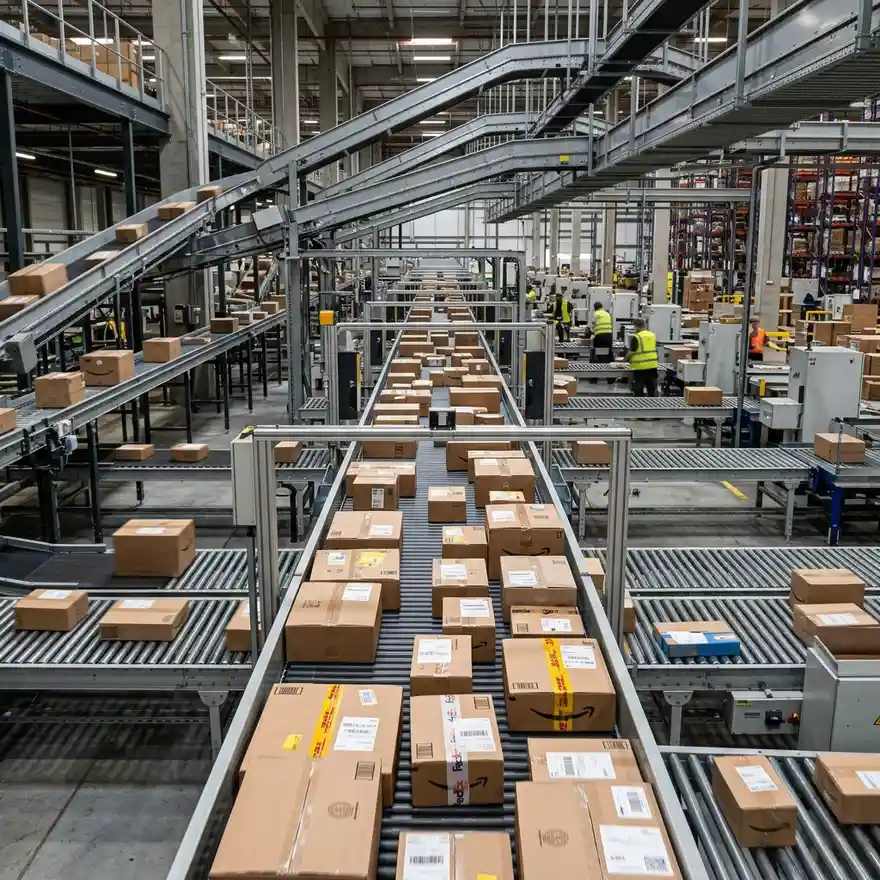
Predicting inventory needs is critical for modern retailers. Deploying custom machine learning pipelines lets businesses analyze sales metrics and forecast demand curves.
Predictive ML transforms retail operations. Forecasting demand curves lets teams optimize inventory levels, reducing warehouse costs and stockouts.
XGBoost Regression Forecast Output
| Metric Title | Training Score | Validation Score |
|---|---|---|
| Mean Squared Error (MSE) | 0.014 | 0.018 |
| Mean Absolute Error (MAE) | 0.082 | 0.091 |
1. Telemetry Feature Extraction
Machine learning pipelines aggregate historical invoice tables, catalog tags, and web traffic logs, compiling them into vector tensors for training processes.
2. Real-Time Regression Inference
By executing prediction scripts in serverless container clusters, apps estimate upcoming product demand rates and automate warehouse replenishment workflows.
- Aggregate client action metrics into numerical feature tables.
- Train regression models (e.g. XGBoost) on historical invoice logs.
- Expose model prediction pipelines via microservice API routes.
3. Processing Time-Series Data
E-commerce demand has strong seasonal patterns. Training models on seasonal and trend data ensures predictions remain accurate during sales spikes like Black Friday.
4. Pipeline Automation and Model Drift
Consumer preferences change over time. Automated workflows must monitor prediction accuracy, triggering model retraining when performance drifts below set limits.
# Python Pandas preprocessing data step example
def preprocess_sales_data(df):
    df['date'] = pd.to_datetime(df['date'])
    df['day_of_week'] = df['date'].dt.dayofweek
    df['month'] = df['date'].dt.month
    df['sales_lag_7'] = df.groupby('item_id')['sales'].shift(7)
    return df.dropna()
5. Automated Warehouse Integration
Exposing model predictions to automated ERP systems triggers restock alerts, sends vendor purchase orders, and adjusts delivery schedules dynamically to align with demand.
Conclusion
Predictive ML pipelines optimize retail supply chains. Processing time-series sales logs and automating model retrainings helps enterprises forecast product demand, reducing warehouse costs and stockouts.
Ready to scale your business operations?
Let's co-engineer software designed to automate workflows and drive conversions.