The Developer's Handbook to Docker Container Orchestration
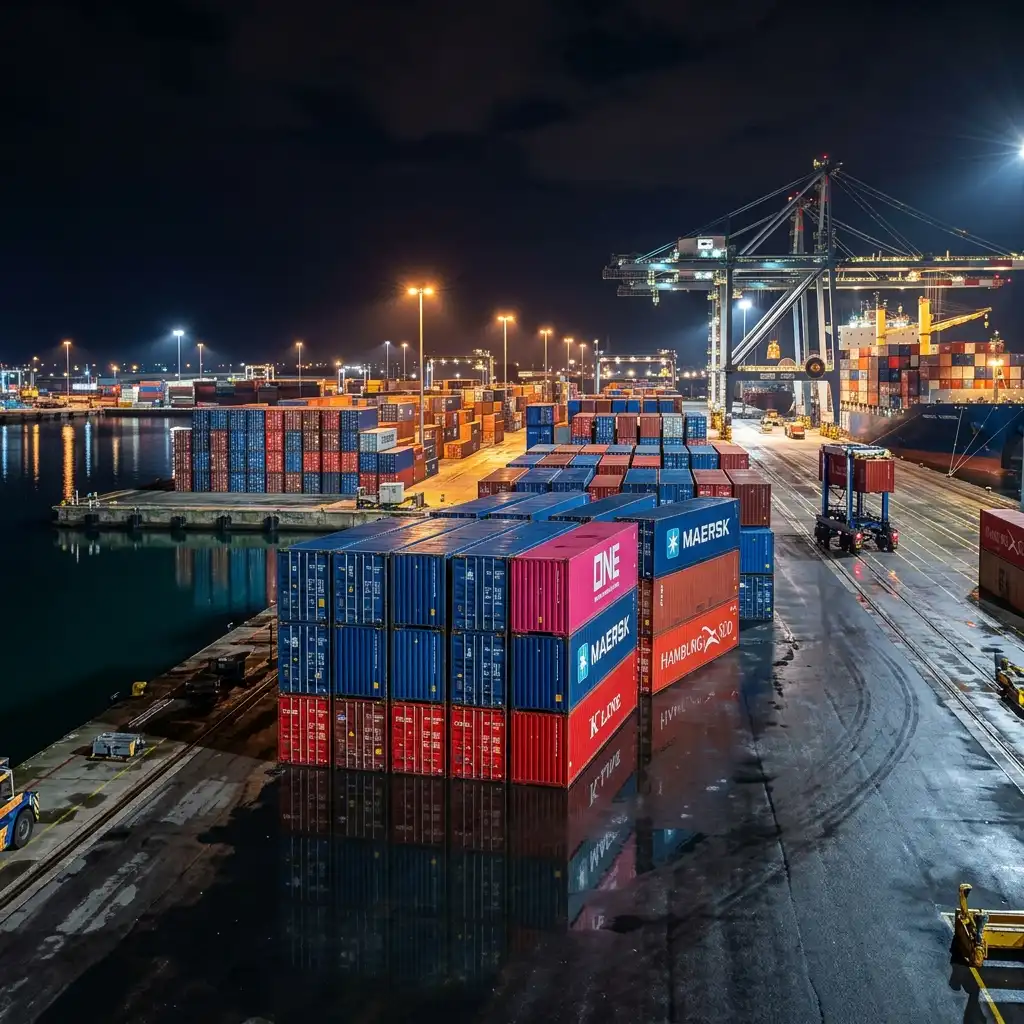
Deploying docker containers to production is only the first step. Container orchestration tools ensure your systems scale, self-heal, and handle incoming user traffic efficiently.
Orchestrators automate container management. They monitor cluster health, restart crashed containers, and distribute network load across server nodes.
Kubernetes Pod Replica Topology
Worker Node 1
Worker Node 2
1. Automated Service Discovery
Orchestration engines monitor cluster nodes and assign networking paths dynamically as container layers spin up or down, preventing broken API connections.
2. Declared State Configuration
Rather than managing environments manually, developers define scaling policies, security secrets, and volume mounts inside declarative configuration logs.
- Define application states in YAML configuration declarations.
- Deploy pods in deployment replications for redundancy.
- Sync cluster states automatically using Git-based pipelines.
3. Self-Healing Mechanisms
Orchestrator nodes continuously perform health checks. If an application container stops responding, the cluster automatically shuts down the faulty instance and spins up a healthy container replacement.
4. Load Balancing and Horizontal Pod Autoscaling
When user traffic spikes, cluster monitors detect CPU increases and automatically duplicate application instances, distributing requests evenly across the network pool.
# Example Kubernetes Deployment configuration
apiVersion: apps/v1
kind: Deployment
metadata:
  name: billing-service
spec:
  replicas: 3
  selector:
    matchLabels:
      app: billing
  template:
    metadata:
      labels:
        app: billing
    spec:
      containers:
      - name: billing-app
        image: billing:v1.2.0
        ports:
        - containerPort: 8080
5. Rolling Updates and Canary Deployments
Update live applications without downtime. Container orchestrators deploy code changes to one node at a time, verifying container health before moving on to avoid site outages.
Conclusion
Container orchestration is essential for modern cloud deployments. Using self-healing containers, autoscaling pods, rolling updates, and declared state configurations ensures application availability at scale.
Ready to scale your business operations?
Let's co-engineer software designed to automate workflows and drive conversions.