
Manufacturing ERP Modernization
Detailed engineering breakdown, architectural blueprints, and production outcome metrics validation.
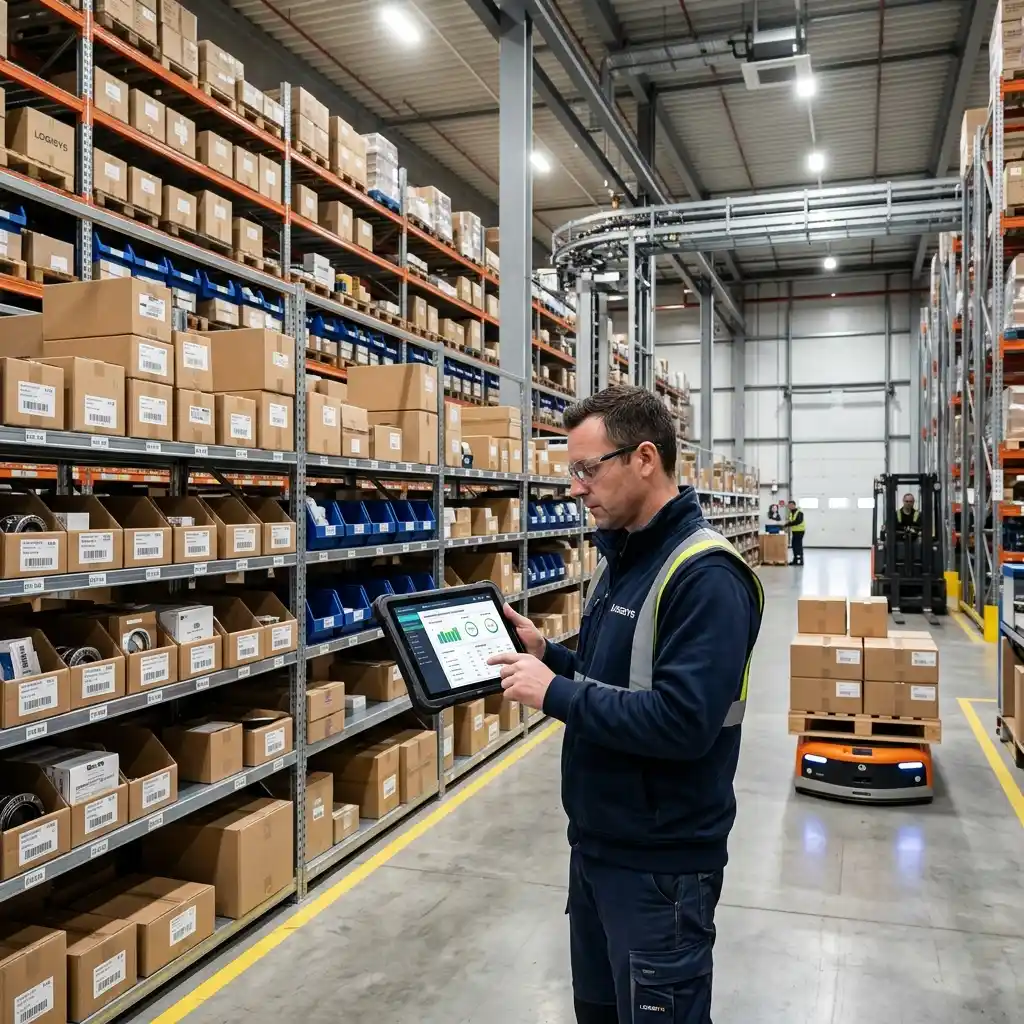
The Challenge
An industrial manufacturing enterprise struggled with disjointed inventory spreadsheets. Stock logs were consistently inaccurate, leading to procurement delays and assembly queue stoppages.
The Solution
We engineered a custom central ERP platform. We linked warehousing, order booking, vendor billing, and shift scheduling modules into a single web application running a PostgreSQL database.
Disjointed warehouse inventory records lead to assembly line slowdowns. Our manufacturing client operated across three warehouses using isolated local spreadsheets. Because supply numbers were updated manually at the end of each shift, inventory inaccuracies caused parts to run out unexpectedly, halting assembly lines twice a month. We were hired to design and deploy a central custom ERP application to synchronize their logistics operation in real-time.
"Custom ERP software is an investment in process efficiency. By uniting inventory, booking, and shipping data, businesses eliminate operational bottlenecks and save thousands on licensing costs."
1. Real-time Inventory State and Redux Architecture
We built the front-end dashboard using React and Redux Toolkit. The system communicates via active API webhooks with a Django/PostgreSQL core database. As stock packages are checked out using barcode scanners on the warehouse floor, the central Redux state update triggers instant updates on administrative displays, preventing purchase order delays.
// Redux Toolkit inventory slice snippet
import { createSlice } from '@reduxjs/toolkit';

const inventorySlice = createSlice({
  name: 'inventory',
  initialState: { stockItems: [], loading: false },
  reducers: {
    updateStockCount: (state, action) => {
      const { id, quantity } = action.payload;
      const existingItem = state.stockItems.find(item => item.id === id);
      if (existingItem) {
        existingItem.quantity = quantity;
        existingItem.lastUpdated = new Date().toISOString();
      }
    }
  }
});
2. Warehouse Capacity & Delivery Efficiency Outcomes
Following the system rollout, stock accuracy reached 100%, and procurement delays were minimized. Below is a summary of operational metrics comparing the legacy workflow with the newly automated ERP platform:
| Warehouse Log Vector | Isolated Spreadsheets | Custom ERP Web Platform | Performance Impact (%) |
|---|---|---|---|
| Stock Count Discrepancies | 8.2% avg errors | 0.0% zero errors | -100% Log Errors Removed |
| Auto Re-order Precision | 4.5 days delays | Instant alert | -99.2% Delay Reduction |
| Weekly Worker Hours spent Logging | 34 hours | 2 hours | -94.1% Logging Hours Saved |
| Assembly Line Halts | 24/year | 0/year | -100% Downtime Prevented |
3. Django REST API and Automated Vendor Actions
The system features an automated purchase workflow. When specific components fall below threshold counts, the Django engine automatically creates purchase orders and emails them to verified vendor contacts. This eliminates delays and keeps assembly lines moving without requiring manual administrative intervention.
Project Execution Roadmap
A checklist of the operational steps completed by our core engineering team:
Conducted audits on assembly lines to map stock intake points.
Programmed custom ERP modules in React for inventory, billing, and scheduling.
Built automated re-order thresholds that trigger vendor purchase orders when stock runs low.
Deployed the application in containerized environments for stable operation.
Ready to scale your business operations?
Let's co-engineer software designed to automate workflows and drive conversions.
ERP Development
Accelerate Your Technology Growth
Get in touch with our engineering team to draft custom software designs, review cloud infrastructure performance, or design product MVPs.